Understanding Lamp Shades and Their Role in Interior Lighting
Lighting plays a central role in how a space looks and feels. While the lamp base often gets attention, the shade is equally important. Lamp shades influence brightness, direction of light, and the overall visual balance of a room. From modern homes to classic interiors, choosing the right lamps shades helps create comfort and harmony.
Different shapes, materials, and sizes serve different purposes. Whether placed on a table lamp, paired with a vintage floor lamp, or fitted onto a ceiling fixture, the shade impacts both function and appearance.
Why Round Lamp Shades Remain a Popular Choice
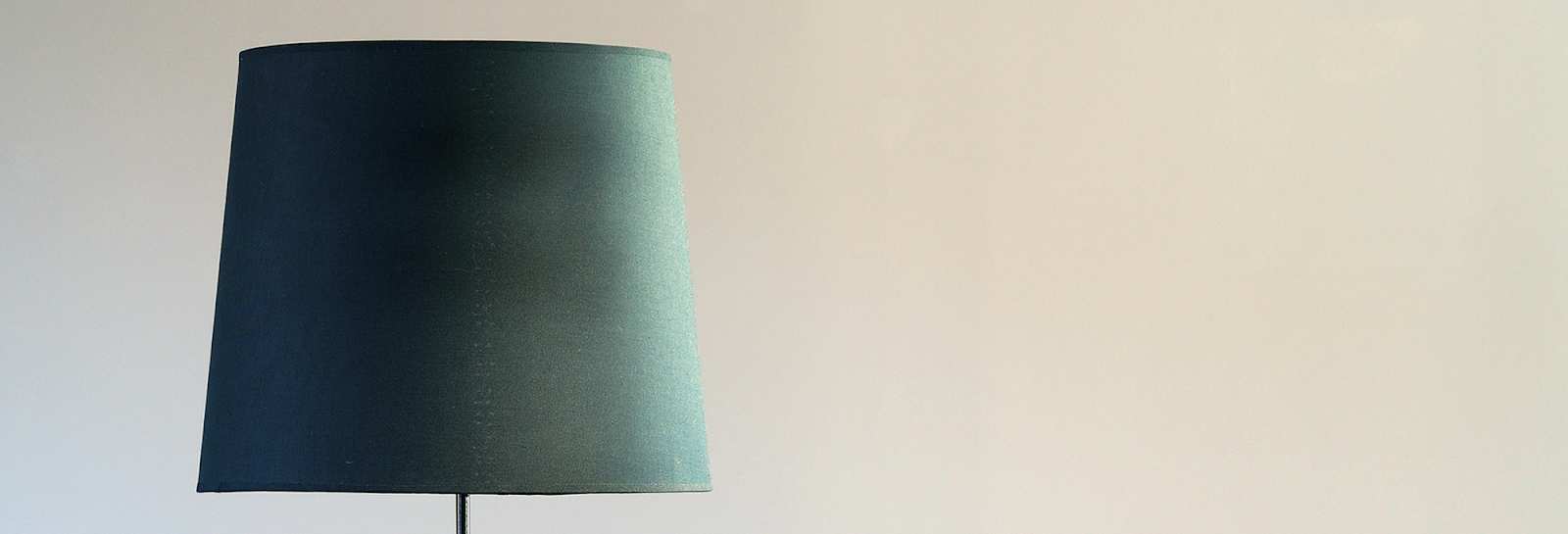
Round lamp shades are among the most commonly used shapes in home lighting. Their symmetrical form distributes light evenly, making them suitable for general illumination.
These shades work well in living rooms, bedrooms, and reading areas where balanced light is needed. Because of their neutral shape, round lamp shades blend easily with various décor styles, including modern, traditional, and transitional interiors.
They are also practical. Their smooth edges soften light output, reducing harsh shadows and glare. This makes them suitable for both task lighting and ambient lighting, depending on the fabric and color used.
Exploring Different Types of Lamps Shades
Lamps shades come in a wide range of materials and designs. Fabric shades are commonly chosen for soft, diffused lighting. Linen, cotton, and silk fabrics allow light to pass through gently, creating a calm atmosphere.
Hard shades made of glass or metal provide a more focused light. These are often used in workspaces or accent lighting where brightness and direction matter. Paper and parchment shades offer a lightweight option, often found in minimalist or contemporary settings.
The inner lining of lamps shades also plays a role. Light-colored linings reflect more light, while darker linings create a muted glow. Choosing the right combination depends on the purpose of the lamp and the room’s lighting needs.
Styling Spaces with a Vintage Floor Lamp
A vintage floor lamp can become a focal point in any room. These lamps often feature tall structures, detailed bases, and classic finishes. When paired with the right shade, they add depth and character to the space.
Round or slightly tapered shades are commonly used with a vintage floor lamp to maintain proportion. Neutral tones help highlight the lamp’s structure, while textured fabrics add subtle detail without overpowering the design.
These lamps are often placed near seating areas, reading corners, or along empty walls. The shade choice determines whether the lamp provides focused reading light or soft background illumination.
Choosing the Right Chandelier Lamp Shades
Chandelier lamp shades serve both decorative and functional purposes. They help control light intensity while enhancing the overall appearance of the fixture.
Small fabric or glass shades are commonly used on chandeliers to reduce glare and create a warmer glow. Chandelier lamp shades also protect the eyes from direct bulb exposure, especially in dining rooms or living areas.
Consistency is key when selecting these shades. Matching shape, size, and color across all arms of the chandelier ensures a balanced look. Neutral shades are often preferred, as they allow the chandelier’s design to stand out.
How Size and Proportion Affect Lighting Balance
Selecting the correct size of lamp shade is essential. A shade that is too small can make a lamp appear incomplete, while an oversized shade may overwhelm the base.
For table and floor lamps, the shade’s width should generally be close to the height of the lamp base. Round lamp shades should sit comfortably on the base without extending too far beyond it.
For chandelier lamp shades, scale matters even more. Each shade should align with the size of the fixture and the room. Proper proportion ensures even lighting and visual balance.
Color and Texture Considerations for Lamps Shades
Color plays a significant role in how lamps shades affect light output. Light-colored shades allow more light to pass through, making a room feel brighter. Dark shades absorb light, creating a softer, more intimate atmosphere.
Texture also influences appearance. Smooth fabrics provide a clean look, while textured or woven shades add visual interest. When used with a vintage floor lamp, textured shades often complement the lamp’s aged or detailed finish.
Neutral tones remain versatile, but subtle patterns or warm hues can add character without dominating the room.
Practical Tips for Maintaining Lamp Shades
Proper care helps extend the life of lamp shades. Fabric shades should be dusted regularly using a soft brush or cloth. Avoid using water unless the material is specifically washable.
Glass or metal shades can be cleaned with a damp cloth and dried immediately to prevent streaks. Chandelier lamp shades may require occasional removal for thorough cleaning, especially in dining areas where dust and residue can collect.
Regular maintenance keeps lamps shades looking fresh and ensures consistent light quality.
Finding Balance Between Function and Design
The best lighting choices balance practicality with visual appeal. Round lamp shades offer versatility, while different lamps shades provide options for varied lighting needs. A vintage floor lamp adds structure and charm, and chandelier lamp shades refine overhead lighting.
Understanding how these elements work together helps create spaces that are comfortable and visually cohesive. Thoughtful selection ensures that lighting supports daily activities while enhancing the room’s character.
Quality-crafted options from trusted makers such as fenchelshades demonstrate how careful design and proper proportions can elevate everyday lighting without relying on trends.


Comments
Post a Comment