Table Lamp Shades Explained: Custom & Standard Options
Table Lamp Shades: A Complete Guide to Style, Fit, and Function

Lighting plays a major role in how a room looks and feels, and lamp shades are at the center of that experience. While table lamps provide practical illumination, their shades define light quality, mood, and design impact. From classic options to personalized solutions, table lamp shades can dramatically enhance both residential and commercial interiors.
This guide covers everything you need to know about selecting the right shade, including materials, sizing, and style choices, while exploring the advantages of custom lampshades, standard lamp shades, and even decorative chandelier lamp shades for coordinated lighting design.
Why Table Lamp Shades Are Essential in Interior Design
Lamp shades do more than soften light. They help reduce glare, protect bulbs, and influence how light spreads throughout a room. The shape, fabric, and lining of a shade affect brightness levels and visual comfort.
Well-chosen table lamp shades also serve as decorative accents. Whether minimal or ornate, they can complement furniture, echo color palettes, and create visual balance within a space.
Understanding Standard Lamp Shades
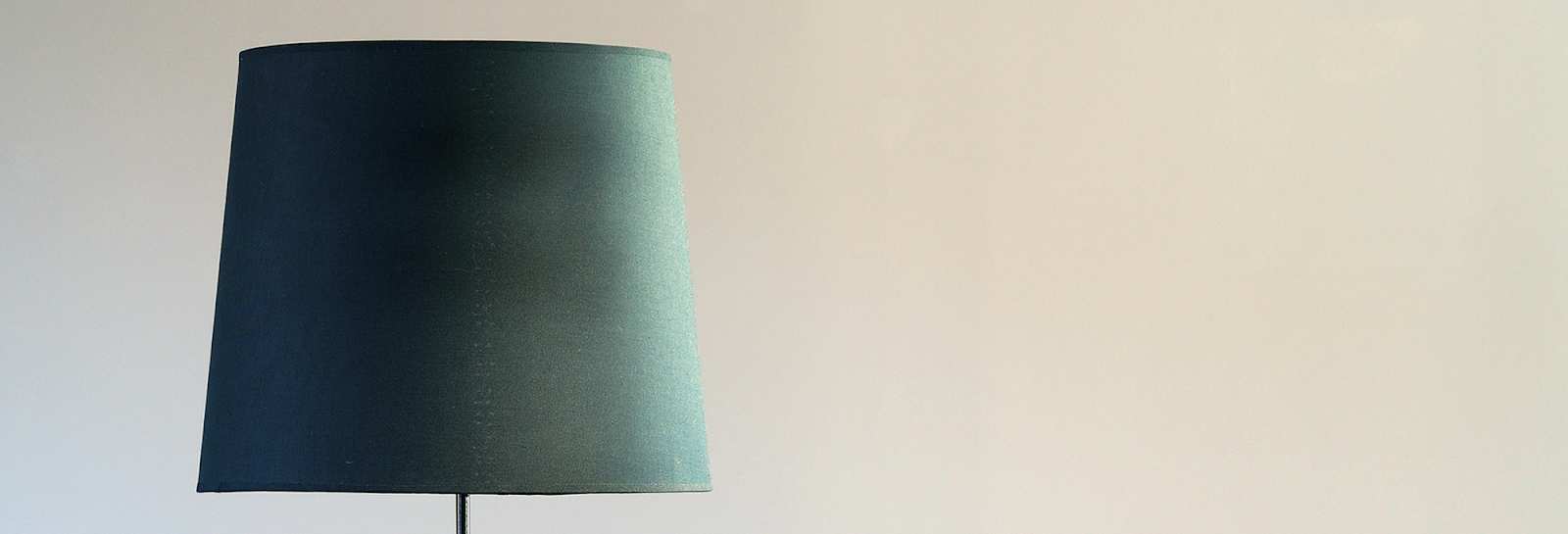
Standard lamp shades are ready-made and available in common sizes, shapes, and colors. They are designed to fit most lamp bases, making them a practical choice for quick replacements or simple upgrades.
Popular shapes include:
Drum shades for modern and transitional spaces
Empire shades for traditional and classic décor
Bell-shaped shades for decorative appeal
Standard shades are cost-effective and versatile, especially when working with common lamp sizes. They work well in living rooms, bedrooms, and offices where consistency and simplicity are preferred.
When to Choose Custom Lampshades
For unique lamp bases or specific design goals, custom lampshades offer unmatched flexibility. Custom options allow you to control every detail, from size and shape to fabric, lining, and trim.
Benefits of custom lampshades include:
Precise sizing for non-standard lamp bases
Fabric selection to match décor or upholstery
Personalized light diffusion and brightness
A tailored look that enhances interior cohesion
Custom shades are ideal for designers, homeowners with specialty lamps, or anyone seeking a truly personalized lighting solution.
The Role of Chandelier Lamp Shades in Coordinated Lighting
While often associated with ceiling fixtures, chandelier lamp shades can play a complementary role alongside table lamps. Using similar materials or colors across table lamps and chandeliers creates a cohesive lighting design throughout a room.
Chandelier shades help soften overhead lighting, reduce glare, and add elegance. When coordinated with table lamp shades, they establish visual continuity and a layered lighting effect that feels balanced and intentional.
Choosing the Right Size and Proportion
Proper sizing is essential for both function and appearance. A shade that is too large can overpower a lamp, while one that is too small may expose the bulb or look out of proportion.
General sizing guidelines:
Shade height should be about two-thirds the height of the lamp base
Bottom diameter should be wider than the widest part of the base
The bulb and harp should not be visible when the lamp is on
These rules apply whether you select standard lamp shades or invest in custom lampshades.
Lamp Shade Materials and Fabric Choices
Material selection impacts both lighting quality and style. Common fabric options include linen, cotton, silk, and synthetic blends.
Linen and cotton offer soft, diffused light and suit casual or modern interiors
Silk adds elegance and produces a warm glow
Opaque fabrics create mood lighting and reduce brightness
Lighter fabrics allow more illumination for reading or tasks
Interior linings also matter. White linings maximize light output, while gold or cream linings add warmth.
Matching Lamp Shades to Interior Styles
Coordinating lamp shades with your décor style enhances visual harmony.
Modern interiors pair well with drum shades in neutral tones
Traditional spaces benefit from empire or bell-shaped designs
Rustic or farmhouse rooms look best with textured fabrics
Eclectic styles allow for patterns, trims, and bold colors
Combining table lamp shades with complementary chandelier lamp shades can further unify the space.
Light Control and Functionality
Different rooms require different lighting levels. Bedrooms benefit from softer, ambient light, while workspaces need focused illumination.
Consider:
Shade opacity for brightness control
Shape for directing light upward or downward
Fabric thickness for glare reduction
Thoughtful selection improves both comfort and energy efficiency.
Maintenance and Longevity
Regular care keeps lamp shades looking fresh. Dust weekly using a soft cloth or vacuum attachment. Avoid placing shades in direct sunlight to prevent fading.
High-quality craftsmanship, such as that offered by Fenchel Shades, ensures durability, proper fit, and long-lasting visual appeal.
Final Thoughts
From ready-made solutions to personalized designs, table lamp shades play a crucial role in lighting and décor. Whether you prefer standard lamp shades for convenience, custom lampshades for personalization, or coordinating chandelier lamp shades for a polished look, the right choice enhances both style and functionality.
By focusing on size, material, and design harmony, you can transform any lamp into a statement piece that elevates your entire space.

Comments
Post a Comment